What Is Merchandising?
Merchandising is the practice of strategically selecting, presenting, pricing, and promoting CPG products within retail environments to maximize visibility and drive consumer purchases at the point of sale.
Summary: Merchandising in CPG
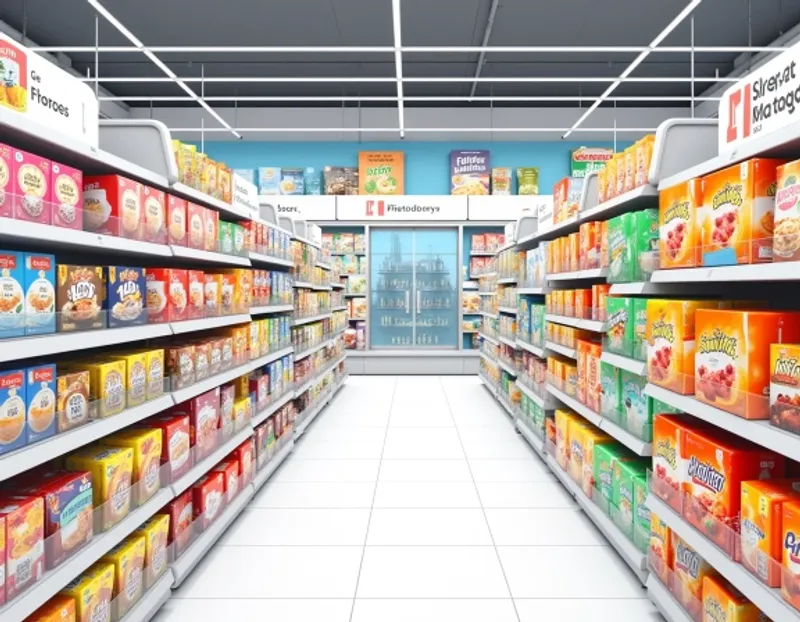
Merchandising is the practice of how products show up at the point of sale. This can be physically on shelves and displays, or digitally on retailer websites to maximize visibility and conversion.
Why It Matters
- It’s one of the most direct levers to influence purchase decisions in retail.
- Eye-level placement can drive up to 23% sales lift; endcaps can deliver 93% more exposure and 32% sales lift.
- Up to 40% of in-store displays are incorrect or missing, meaning significant lost revenue for brands.
- For emerging and mid-market brands, strong merchandising is how you compete with large CPGs and private label despite smaller budgets.
Core Components of Merchandising
Shelf Placement & Planogram Compliance
- Planograms (POGs) define exact shelf positions, facings, and adjacencies.
- Eye-level and strong adjacencies can mean 20%+ velocity swings. Avoid being on the very bottom or top of the shelf.
- Compliance is the gap between what was negotiated and what’s actually on-shelf; field teams audit and correct.
Endcaps & Secondary Displays
- Includes endcaps, shippers, clip strips, checkout placements.
- Typically secured via trade promotion and funded through trade spend.
- Acts like paying rent for the best real estate in-store.
Pricing & Promotion Execution
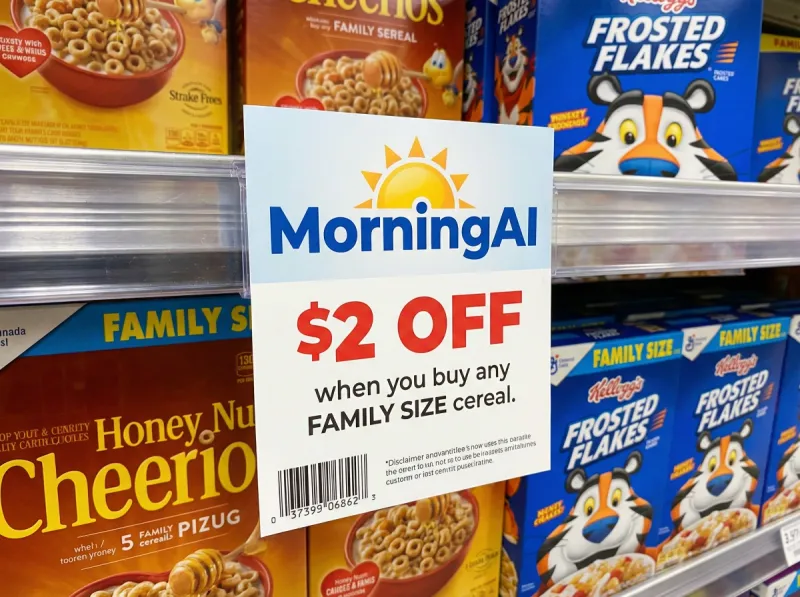
- Shelf talkers, promo signage, temporary price reductions (TPRs), and feature ads (print/digital).
- Display + price + feature together often outperform any single tactic.
- Poor signage = invisible promotions (you fund the discount, shoppers don’t notice).
Cross-Merchandising
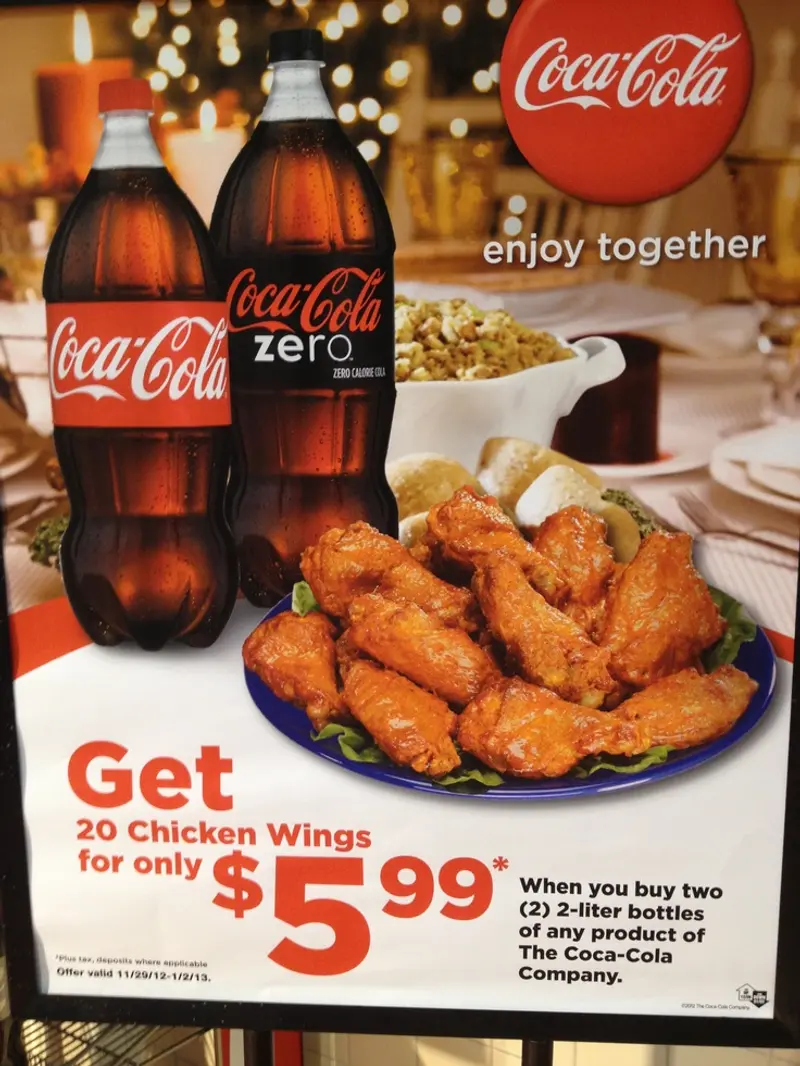
- Placing complementary products together (e.g., chips with salsa, hot sauce near meat).
- Shows category management thinking and can unlock incremental velocity without more home-aisle space.
Digital & Omnichannel Merchandising
- On Instacart, Walmart.com, Amazon, etc.: PDP optimization, search placement, digital coupons, sponsored ads.
- Online CPG is growing ~5x faster than in-store; the “shelf” is now also a search result.
Examples
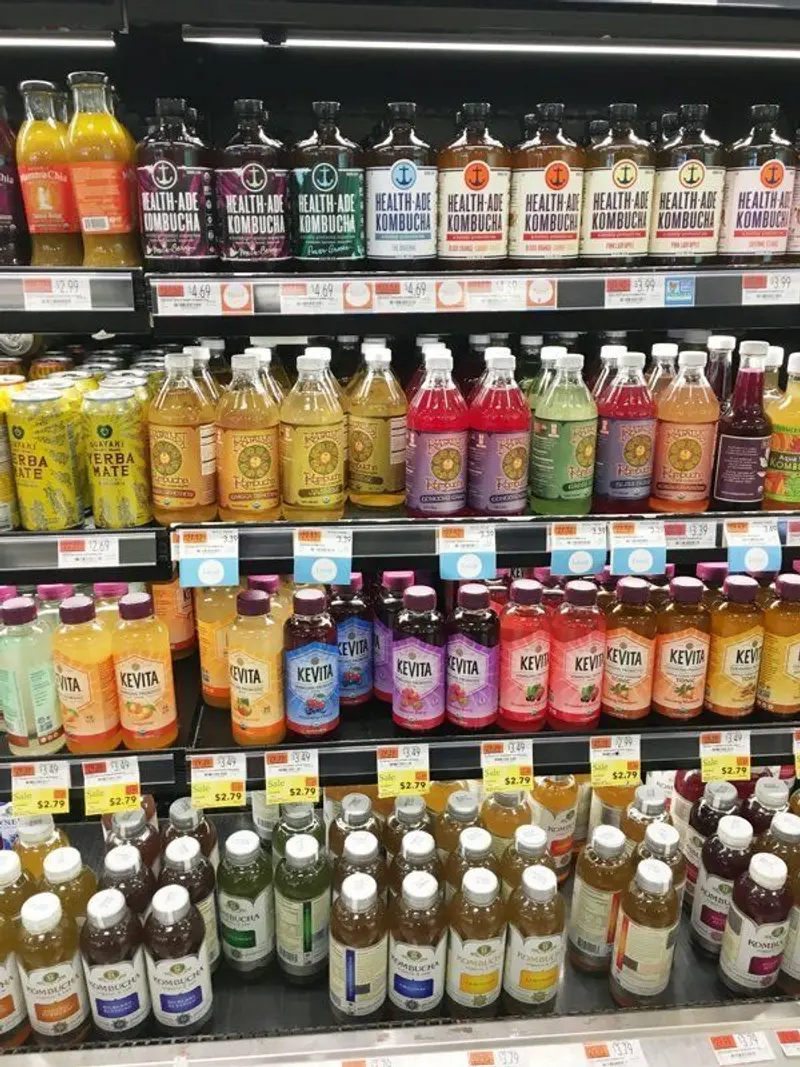
- Emerging kombucha at Whole Foods: eye-level facings, shipper display, cross-merch wellness bundle, strong shelf talkers, and tight field rep compliance.
- Snack brand at Kroger: endcaps + TPR + digital circular feature → 40%+ lift and data to justify expanded distribution.
- Craft hot sauce: clip strips in meat department instead of fighting for more condiment facings → incremental sales from a new location.
- Beverage startup on Instacart: sponsored search, optimized PDPs, and digital coupons → higher share of digital shelf and trial.
Merchandising vs. Marketing
- Merchandising
- Focus: point-of-sale presentation (in-store & retailer e-comm).
- Metrics: sales velocity, number of facings, share of shelf (%), display/compliance.
- Owners: sales and trade marketing.
- Marketing
- Focus: awareness, demand generation, and engagement across the funnel.
- Metrics: reach (number of impressions), engagement (clicks, comments), awareness, consideration.
- Owners: brand marketing.
They must work together: marketing creates demand; merchandising converts it at the shelf.
How to Build a Merchandising Strategy
Audit Current Shelf Position
- Visit stores or use field teams.
- Document placement, facings, signage, and POG compliance with photos.
- Compare reality vs. what was negotiated.
Define Merchandising Priorities
- Focus on top accounts/regions that drive most revenue or growth.
- Example: prioritize the top ~100 doors that represent 60–70% of revenue.
Negotiate Placement in Category Reviews
- Use line reviews/resets to push for better placement and more facings.
- Bring velocity data, category trends, and shopper insights.
Fund & Execute Secondary Displays
- Plan and budget for endcaps, shippers, and other displays within trade promotion. These can be very expensive, so be prepared.
- Invest in execution and compliance so paid-for displays actually get set.
Monitor & Measure
- Track retail execution KPIs: display compliance, share of shelf, incremental lift from promos.
- Use results to refine tactics and build a stronger case with buyers.
Extend to Digital
- Audit and optimize product detail pages (PDPs). This should be your images, titles, bullets and claims.
- Invest in retail media (sponsored placements, digital coupons).
- Track share of search for key category terms and iterate.
In CPG, merchandising is the bridge between all your upstream work (product, brand, marketing) and actual sell-through at retail. Done well, it turns limited shelf space into outsized growth.
Frequently Asked Questions About Merchandising
From the blog
Insights and strategies for CPG brand marketers
 Product Updates
 Video Is Here. Scheduling Got Faster. Here Is What Shipped.
MorningAI now supports text-to-video, frames-to-video, and a 10x faster social scheduling workflow. Here is what changed and how to use it.

 Product Updates
 Horizon Launch: Creative Intelligence for Marketers
Horizon adds four new capabilities to MorningAI: access 10,000+ brand ads, remix creative for your brand in one click, collaborate with your team, and build a personal collection.
 Product Updates
 Studio Updates: Faster Workflows & Better Creative Control
We've cut generation time in half and rebuilt layout selection with visual previews and batch generation. These updates support high-volume concepting and reduce iteration cycles during creative development.
Get in touch and stay connected.
Talk to an expert.
See how MorningAI helps brands like yours create better marketing, faster.
Schedule a demoStay up to date.
Get the latest research, industry insights, and product news delivered straight to your inbox.
Browse all guides.
Explore our comprehensive guide to CPG marketing and trade marketing concepts.
View all guides